
Why the Afghan Military Collapsed So Quickly
[ad_1]
KANDAHAR, Afghanistan — The surrenders seem to be happening as fast as the Taliban can travel.
In the past several days, the Afghan security forces have collapsed in more than 15 cities under the pressure of a Taliban advance that began in May. On Friday, officials confirmed that those included two of the country’s most important provincial capitals: Kandahar and Herat.
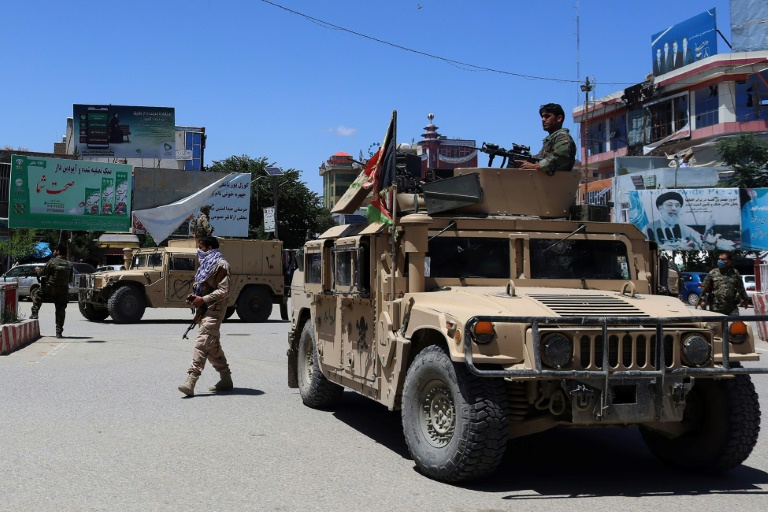
The swift offensive has resulted in mass surrenders, captured helicopters and millions of dollars of American-supplied equipment paraded by the Taliban on grainy cellphone videos. In some cities, heavy fighting had been underway for weeks on their outskirts, but the Taliban ultimately overtook their defensive lines and then walked in with little or no resistance.
This implosion comes despite the United States having poured more than $83 billion in weapons, equipment and training into the country’s security forces over two decades.
Building the Afghan security apparatus was one of the key parts of the Obama administration’s strategy as it sought to find a way to hand over security and leave nearly a decade ago. These efforts produced an army modeled in the image of the United States’ military, an Afghan institution that was supposed to outlast the American war.
But it will likely be gone before the United States is.
While the future of Afghanistan seems more and more uncertain, one thing is becoming exceedingly clear: The United States’ 20-year endeavor to rebuild Afghanistan’s military into a robust and independent fighting force has failed, and that failure is now playing out in real time as the country slips into Taliban control.
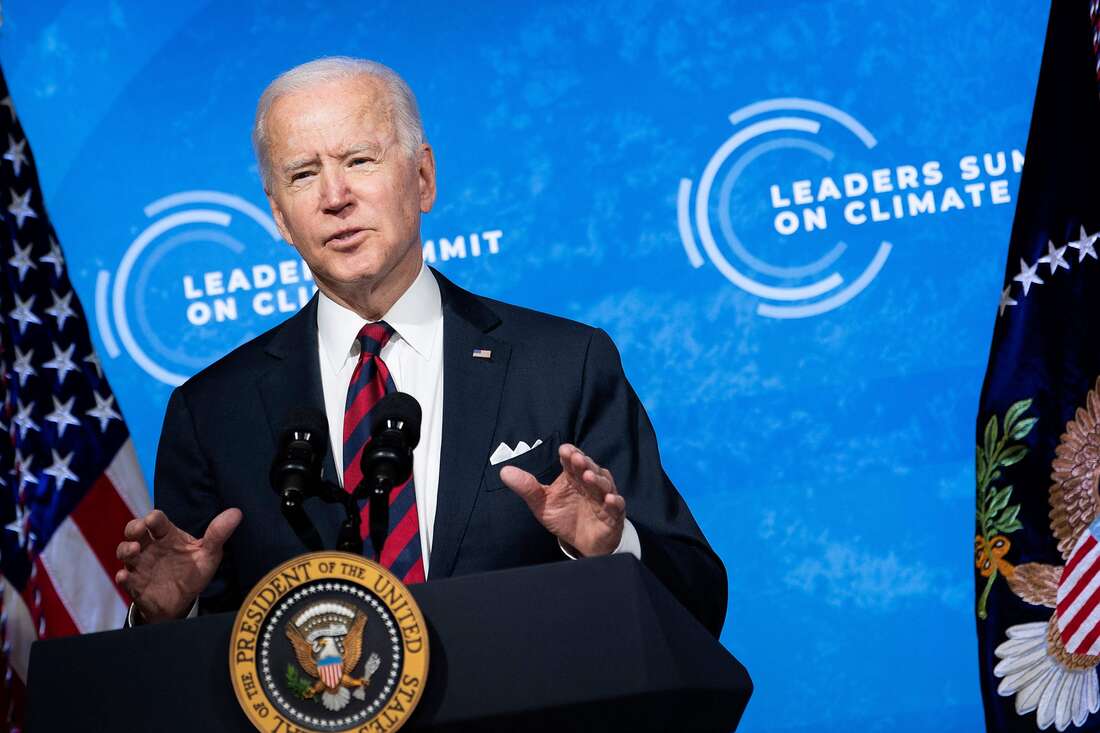
How the Afghan military came to disintegrate first became apparent not last week but months ago in an accumulation of losses that started even before President Biden’s announcement that the United States would withdraw by Sept. 11.
It began with individual outposts in rural areas where starving and ammunition-depleted soldiers and police units were surrounded by Taliban fighters and promised safe passage if they surrendered and left behind their equipment, slowly giving the insurgents more and more control of roads, then entire districts. As positions collapsed, the complaint was almost always the same: There was no air support or they had run out of supplies and food.
But even before that, the systemic weaknesses of the Afghan security forces — which on paper numbered somewhere around 300,000 people, but in recent days have totaled around just one-sixth of that, according to U.S. officials — were apparent. These shortfalls can be traced to numerous issues that sprung from the West’s insistence on building a fully modern military with all the logistical and supply complexities one requires, and which has proved unsustainable without the United States and its NATO allies.
Soldiers and policemen have expressed ever-deeper resentment of the Afghan leadership. Officials often turned a blind eye to what was happening, knowing full well that the Afghan forces’ real manpower count was far lower than what was on the books, skewed by corruption and secrecy that they quietly accepted.
And when the Taliban started building momentum after the United States’ announcement of withdrawal, it only increased the belief that fighting in the security forces — fighting for President Ashraf Ghani’s government — wasn’t worth dying for. In interview after interview, soldiers and police officers described moments of despair and feelings of abandonment.
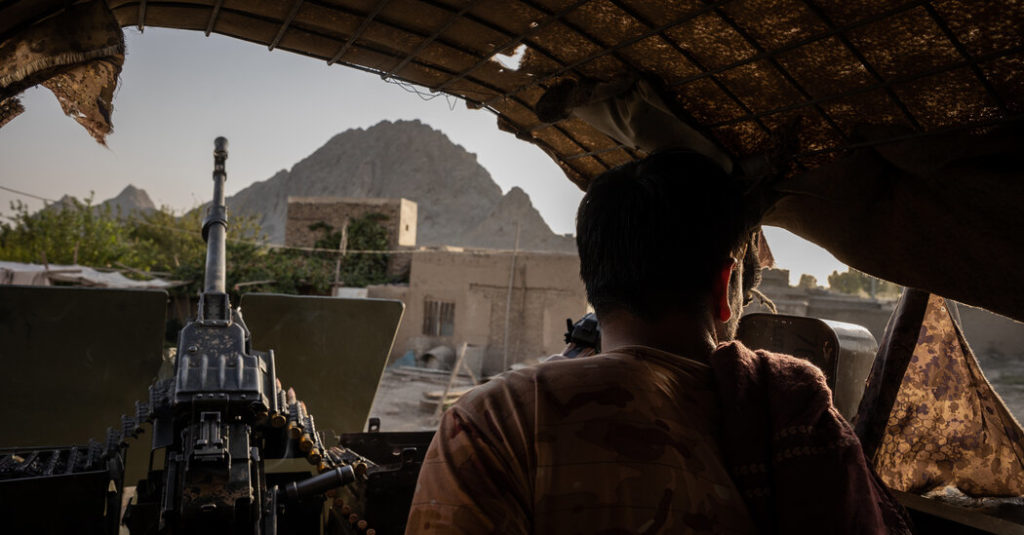
On one frontline in the southern Afghan city of Kandahar last week, the Afghan security forces’ seeming inability to fend off the Taliban’s devastating offensive came down to potatoes.
After weeks of fighting, one cardboard box full of slimy potatoes was supposed to pass as a police unit’s daily rations. They hadn’t received anything other than spuds in various forms in several days, and their hunger and fatigue were wearing them down.
“These French fries are not going to hold these front lines!” a police officer yelled, disgusted by the lack of support they were receiving in the country’s second-largest city.
By Thursday, this front line collapsed, and Kandahar was in Taliban control by Friday morning.
Afghan troops were then consolidated to defend Afghanistan’s 34 provincial capitals in recent weeks as the Taliban pivoted from attacking rural areas to targeting cities. But that strategy proved futile as the insurgent fighters overran city after city, capturing around half of Afghanistan’s provincial capitals in a week, and encircling Kabul.
“They’re just trying to finish us off,” said Abdulhai, 45, a police chief who was holding Kandahar’s northern front line last week.
The Afghan security forces have suffered well over 60,000 deaths since 2001. But Abdulhai was not talking about the Taliban, but rather his own government, which he believed was so inept that it had to be part of a broader plan to cede territory to the Taliban.
The months of…
[ad_2]
Source link


Leave a Reply
Want to join the discussion?Feel free to contribute!